

Do Pet Insurance Premiums Go Up Every Year? Renewal Increases Explained
Pet insurance premiums rise at almost every renewal because your pet ages and vet care gets pricier. Here are the five drivers and the levers that push your price back down.
Pet insurance premiums rise at almost every renewal because your pet ages and vet care gets pricier. Here are the five drivers and the levers that push your price back down.
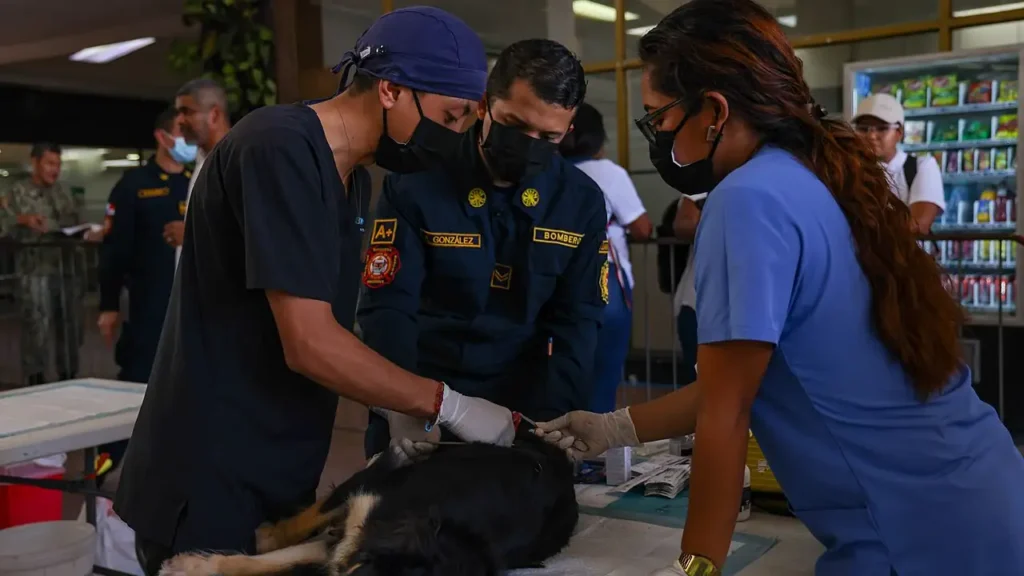
Direct vet pay flips who fronts the money: the insurer pays its share at checkout and you cover only your portion. Here is how it works and where it falls short.

A denied claim is the start of a process, not the end. Here are the seven reasons insurers deny claims and the step-by-step appeal process that gets decisions reversed.

Most pet insurance claims pay out within a few days to a few weeks. Your paperwork quality, whether it is a first claim, and your payment method decide where you land in that range.

Filing a pet insurance claim takes about fifteen minutes once you know what to include: a clear photo of the itemized invoice, your payment receipt, and your pet’s medical records for a first claim.

The annual limit is the maximum your insurer pays per policy year. This guide explains the common tiers, what actually exhausts a $5,000 cap, and how to choose between $5K, $10K, and unlimited.

The gap between 70 and 90 percent reimbursement is hundreds of dollars on a big claim. This guide runs the math on all three tiers and shows when each one is the smart pick.

Annual deductibles are paid once a year; per-condition deductibles reset with every diagnosis. This guide compares both with real claim math so you can pick the structure that costs you least.

No policy covers a condition your pet already has, but some plans start accident coverage within a day or two. Here is the honest breakdown of what no-waiting-period marketing really promises.

Almost every policy has a waiting period before claims become payable. This guide explains the three standard waits, how orthopedic waivers work, and how to time enrollment so the wait never costs you.
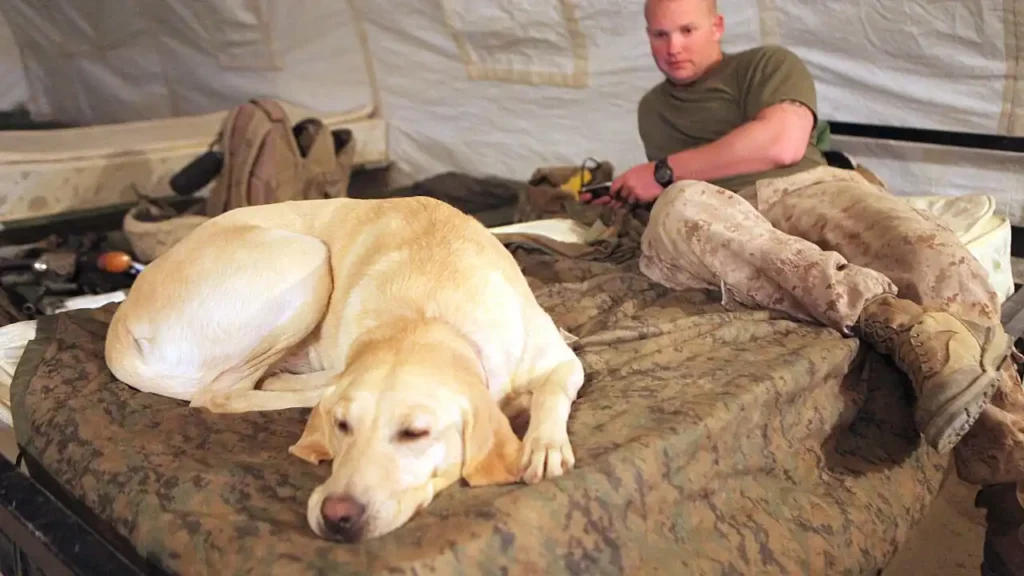
Saying goodbye is hard enough without financial surprises. Learn when pet insurance covers euthanasia, why cremation usually is not included, and how to plan end-of-life costs with care.
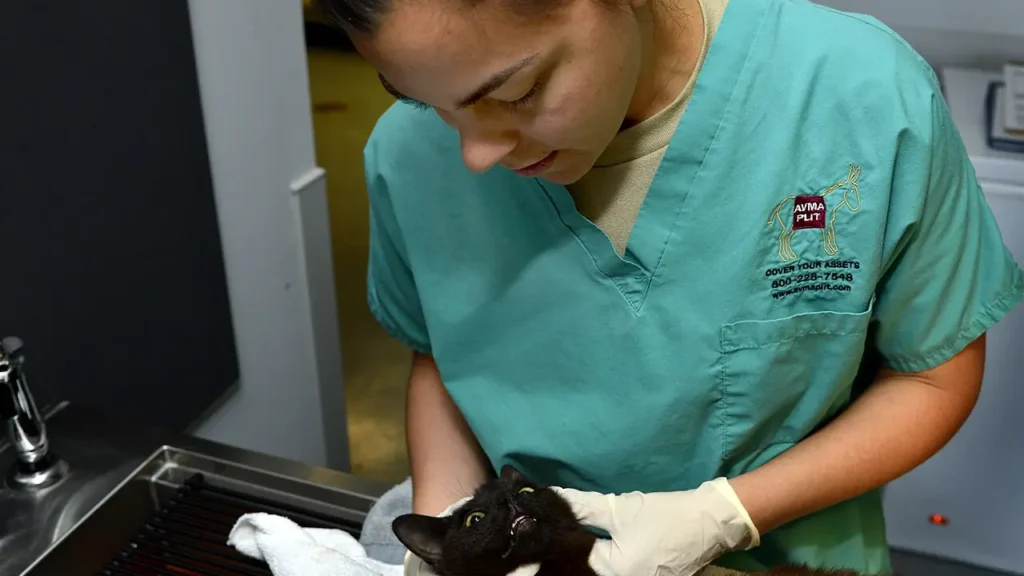
An MRI can cost $2,000 to $5,000, and insurance usually covers it when medically necessary. Learn the claim rules, common denial reasons, and how to make sure your plan is ready.
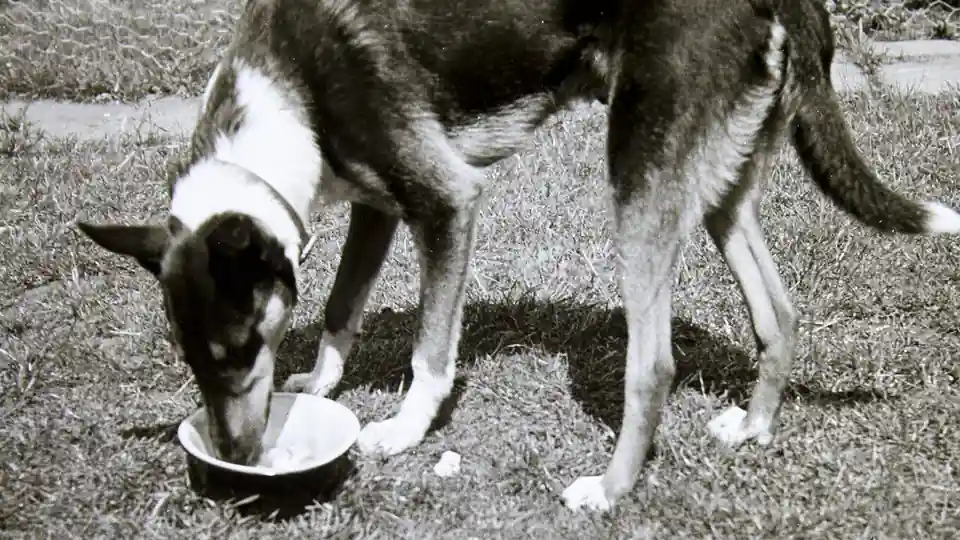
Prescription food can cost triple the price of regular kibble, so it matters whether insurance helps. Learn when therapeutic diets count as covered treatment, which plans pay, and how to file the claim.

Chronic conditions like diabetes and arthritis need years of treatment, not a single vet visit. This guide explains how pet insurance covers them over a pet’s lifetime, what lifetime coverage really means, and the exclusions to watch.

Hip dysplasia, heart disease, and luxating patellas all trace back to genetics. Here is what hereditary conditions mean in pet insurance language, which plans cover them, and the exclusions to watch.