

Pet Insurance for First-Time Pet Owners: What to Know
Bringing home your first pet? Here is what every new owner should know about pet insurance, from how it works to when to enroll and which rookie mistakes to avoid.
Bringing home your first pet? Here is what every new owner should know about pet insurance, from how it works to when to enroll and which rookie mistakes to avoid.
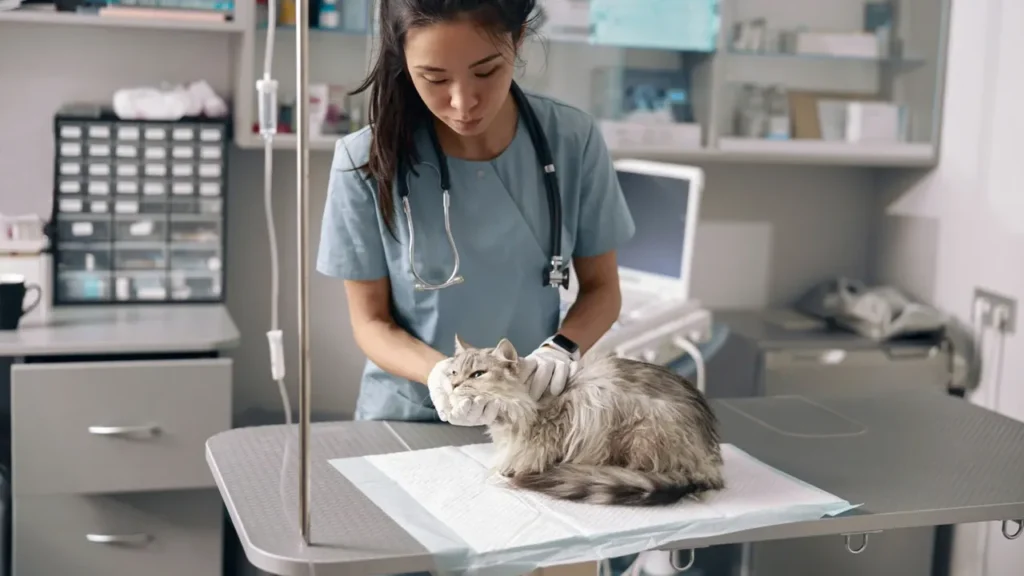
Pet insurance can help a cat with a chronic condition, but only under the right circumstances. Here is the honest truth about timing, pre-existing exclusions, and what to do if your cat is already diagnosed.

Many pet owners pay full price for pet insurance without realizing they qualify for discounts. This guide walks through every major saving, from multi-pet and annual-pay discounts to military, employer, and shelter partnerships, and shows how to claim them all.

Pet insurance premiums are usually not tax deductible, since the IRS treats household pet costs as personal expenses. Here are the narrow exceptions and what to discuss with a tax professional.

Getting cheap pet insurance quotes is a process, not luck. Learn where to shop, which settings move the price, and how to spot quotes that are cheap for the wrong reasons.

A beginner-friendly, step-by-step guide to choosing pet insurance: assess your pet’s needs, learn the key terms, compare plans wisely, and enroll at the right time.

Pet insurance premiums can differ dramatically from one state to another. Here is why location drives your price, which regions tend to pay more, and how to get an accurate quote for your own ZIP code.

Yes, a 12 year old dog can be insured by providers with no upper age limit. Here is what the policy actually covers, the honest cost math, and the questions to ask first.

Several insurers enroll senior dogs with no upper age limit. Compare ASPCA, Figo, Spot, Pets Best, and Pumpkin on the features that matter most for older dogs.

Eight weeks old is the best age to get pet insurance. Here is why earlier beats cheaper: premiums, pre-existing conditions, and waiting periods all reward the early buyer.

Puppy insurance is cheapest and most valuable in year one. Here is what new owners should buy first: the right plan type, deductible, and reimbursement rate, plus honest wellness add-on math.

Kittenhood is the cheapest and smartest time to buy pet insurance: low premiums, clean medical history, and no pre-existing exclusions. Here is when to enroll, what it costs, and what to watch for.

Indoor cats skip the outdoor risks but not the vet bills: urinary blockages, dental disease, kidney trouble, and cancer are all indoor cat problems. Here is the honest math on whether insuring them pays.

Seven real pet insurance companies compared on the features that actually matter for cats: enrollment age limits, waiting periods, deductible types, direct vet pay, and wellness add-ons.

Most cat owners pay $15 to $35 a month for solid accident and illness coverage in 2026, but age is the biggest price driver. This guide breaks down typical monthly averages for kittens, adults, and seniors.