
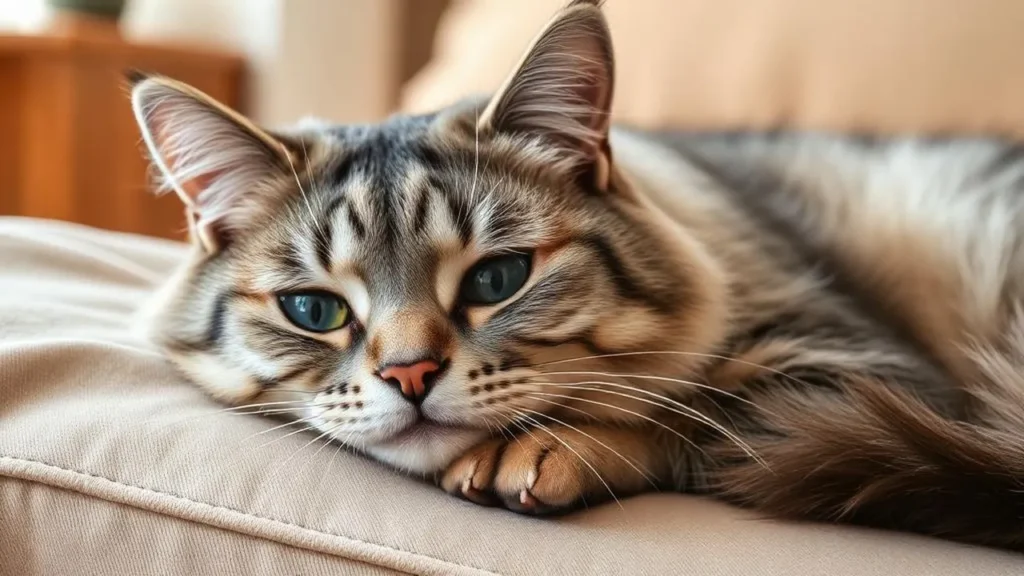
Your cat used to race up the stairs. Now she takes them one slow step at a time, and the vet visits are getting more frequent. If you are wondering whether pet insurance still makes sense at this stage of her life, you are asking the right question.
Pet insurance for senior cats costs more than it does for kittens, and the rules around pre-existing conditions matter more than ever. But for many owners of older cats, a policy is still the difference between saying yes to treatment and hesitating over the bill.
This guide walks through when a cat counts as senior, why premiums rise with age, what common conditions cost to cover, and how to decide whether insuring a 12-year-old cat, or an even older one, is still worth it.
When Does a Cat Count as Senior
Most veterinarians consider a cat senior at around 11 years old, though some start the senior label as early as 10. Insurers often draw their own line, and many begin applying senior pricing somewhere between ages 7 and 10.
That means your 9-year-old cat can already be priced like a senior even if your vet still calls her middle-aged. The insurer’s definition is the one that shows up on your bill.
Age alone never tells the whole story. A healthy 13-year-old with clean records may get better terms than a 7-year-old with a thick medical file, so your cat’s health history matters at least as much as the birthday.
Why Premiums Climb as Cats Age
Pet insurance is priced on expected claims, and older cats simply claim more. They visit the vet more often, and each visit tends to cost more than it did when they were young. For a full breakdown by age and plan type, see our guide to how much cat insurance costs.
Chronic conditions drive most of the increase. Kidney disease, hyperthyroidism, and diabetes all need ongoing medication, regular bloodwork, and frequent rechecks, and those costs repeat year after year.
Insurers also raise premiums at renewal as the cat ages, even in claim-free years. Age-based increases are standard across the industry, not a punishment for filing claims. You can read more about the mechanics in our article on why pet insurance is so expensive.
Can You Still Enroll a Senior Cat
Yes, in most cases. Many pet insurance companies will enroll a cat at any age, and plenty of owners first buy a policy when the cat is already 10 or older.
A smaller number of companies set an upper enrollment limit, often around age 14, for brand-new policies. The trend in recent years has been toward dropping those limits, but they still exist, so check before you assume.
What really shrinks with age is choice. Fewer companies will quote a 15-year-old cat, and the prices they offer can vary widely. Getting quotes from several providers matters more for seniors than for kittens, and our roundup of the best pet insurance for cats is a good place to start comparing.
One more point in favor of acting sooner: once a cat is insured, renewals are generally guaranteed for life. A policy bought at 8 keeps renewing at 14, which is why early enrollment is such an advantage. Our kitten insurance guide explains how those early years set up the senior ones.
Senior Cat Conditions and What Coverage Actually Does
A comprehensive plan treats a new illness the same at 13 as it does at 3. The policy does not care about age when the condition first appears during the coverage period.
One rule decides every claim: was the condition diagnosed before or after enrollment?
Chronic Kidney Disease
Kidney disease is the classic senior cat diagnosis, and it is extremely common in cats over 10. Management is long term: bloodwork every few months, blood pressure monitoring, prescription food, and often subcutaneous fluids given at home.
If the policy started before any kidney issue showed up in the records, these costs are typically covered like any other illness. If kidney values were already flagged before enrollment, the condition is excluded and you pay for that care out of pocket.
This is exactly the kind of slow, expensive chronic illness that makes insurance valuable for seniors, provided you enroll before the first suspicious lab result. The Cornell University College of Veterinary Medicine publishes helpful background on how feline kidney disease progresses.
Hyperthyroidism
An overactive thyroid gland is one of the most common diseases of older cats. Typical signs are weight loss despite a big appetite, restlessness, and a fast heart rate.
Treatment ranges from daily medication to a one-time radioactive iodine treatment that can resolve the disease permanently.
Coverage follows the same rule as kidney disease. Developed after enrollment, it is an illness claim like any other. Noted before enrollment, it is a pre-existing condition and stays excluded.
Diabetes
Senior cats, especially those carrying extra weight, can develop diabetes. Treatment usually means insulin injections, glucose monitoring, and regular veterinary rechecks.
Diabetes is a textbook example of a chronic condition that pet insurance handles well when the policy came first. The ongoing costs fall under illness coverage with your chosen deductible and reimbursement percentage.
Because diabetes management is so routine once it is under control, it also shows why your reimbursement level matters. Over a year of insulin and monitoring, the gap between a 70 percent and a 90 percent plan is real money. Our guide to choosing a reimbursement percentage walks through the trade-offs.
Arthritis
Older cats develop arthritis, and they are masters at hiding the pain. You may notice it only as reluctance to jump, stiffness after naps, or a cat that stops using a high-sided litter box.
Treatment has improved a lot in recent years, with monthly injectable medications joining daily pain relief as standard options. These are ongoing costs, which makes them a natural fit for an illness policy.
One practical tip: keep every arthritis note dated clearly in the records. Vague early notes like possible stiffness can be used to push the diagnosis date earlier than it really was.
Dental Disease
Dental disease is nearly universal in senior cats. Cleanings under anesthesia, extractions, and dental X-rays add up fast, especially when an older cat needs extra monitoring during sedation.
Dental coverage is where policies differ most. Many plans cover dental injuries and some dental illnesses but exclude routine cleanings entirely, and a few carve dental disease out of illness coverage altogether.
Read the dental section of any policy word by word before you buy. Our article on whether pet insurance covers dental cleanings explains the fine print in detail.
The Pre-Existing Condition Reality for Senior Cats
This is the single biggest factor in senior cat insurance. Anything noted in your cat’s veterinary records before the policy starts is excluded, usually for the life of the policy.
Noted is broader than diagnosed. A chart entry from two years ago saying kidneys slightly elevated, recheck in six months, can be enough for an insurer to deny a kidney claim later.
A few companies will reconsider curable conditions after a long symptom-free period, but chronic diseases like kidney failure, diabetes, and hyperthyroidism never fall into that bucket. Our guide to pre-existing conditions and pet insurance covers the exceptions in detail.
Before you apply, request your cat’s complete medical history from your vet. Knowing exactly what is on record lets you predict exclusions now instead of discovering them the day a claim is denied. The AVMA’s pet insurance resources for pet owners are a solid starting point for understanding how policies treat prior conditions.
Accident-Only vs Full Coverage for a Senior Cat
Accident-only plans are the cheapest way to insure an older cat. They cover injuries, a bad fall, a broken tooth, a swallowed hair tie, but nothing illness related.
For a senior cat, that leaves out the most likely big bills. Kidney disease, cancer, hyperthyroidism, and diabetes are illnesses, and they are where the money goes in a cat’s later years.
Accident-only still has a place. For a healthy senior cat on a tight budget, it protects against the sudden injury you could not afford out of pocket. Cheap is not the same as useless.
For most senior cats, though, a comprehensive accident-and-illness plan does far more of the work. The illnesses are the risk, so the illness coverage is the point.
Ways to Keep Senior Cat Insurance Affordable
Senior premiums are real money, but there are legitimate ways to bring them down without giving up the coverage that matters.
- Choose a higher annual deductible. For example, moving from a $250 to a $500 deductible can noticeably lower the monthly premium, and it still protects you against the big bills that insurance is for.
- Accept a lower reimbursement percentage. A 70 or 80 percent plan costs less each month than a 90 percent plan, and it still covers most of a major vet bill.
- Compare quotes from multiple companies. Senior pricing varies more between insurers than kitten pricing does, so the first quote is rarely the best one. Our guide on how to compare pet insurance quotes shows what to look at beyond the monthly price.
- Ask about multi-pet discounts. If you insure more than one animal with the same company, many insurers reduce each premium.
- Skip add-ons you will not use. Wellness riders that cover routine exams can cost more than the routine care itself, especially for a cat whose real risk is illness rather than checkups.
- Pay annually if you can. Some companies discount the total when you pay for the year up front instead of month to month.
Is It Still Worth Insuring a Cat at 12, 14, or 16
Do the math honestly. Multiply the monthly premium by 12 and compare it with what one bad year of vet care would cost without insurance.
A single emergency hospital stay or a cancer workup can cost more than several years of premiums. Protecting against that scenario is the entire purpose of the policy.
The case gets weaker when exclusions pile up. A 15-year-old cat with kidney disease, hyperthyroidism, and arthritis already in the records will collect little from a new policy, because the most likely claims are all excluded.
The strongest case is a healthy senior with a clean recent record. Everything that has not happened yet is still covered, and at this age, plenty can still happen. For a balanced look at the trade-offs, see our article on whether pet insurance is worth it.
One rule of thumb helps more than any calculator: for a senior cat, a policy earns its keep on the big bills that have not happened yet, not on routine care. If exclusions mean the plan would rarely pay out, a dedicated savings account may serve you better.
Frequently Asked Questions
What is the oldest age I can insure my cat?
Many companies enroll cats at any age, so there is often no hard cutoff. A few insurers stop accepting new enrollments around age 14, though renewals continue regardless. If your cat is very old, compare several companies, since availability and price vary widely.
Does pet insurance cover kidney disease in an older cat?
It depends entirely on timing. Kidney disease that develops after the policy starts is covered like any other illness, including bloodwork, medication, and fluids. Kidney issues noted in the vet records before enrollment are pre-existing and stay excluded.
Why did my senior cat’s premium go up at renewal?
Age-based increases are standard practice. As cats get older, expected claims rise across the whole pool of insured pets, so insurers raise premiums even for cats that never filed a claim. Veterinary cost inflation adds to the increase in most years.
Can I switch pet insurance companies with a senior cat?
You can, but think carefully before you do. Any condition diagnosed under the old policy becomes pre-existing under the new one, which can wipe out coverage for exactly the conditions you care about. Switching usually only makes sense if the current policy has become unaffordable and the cat’s record is still fairly clean.
Is accident-only insurance enough for a 13-year-old cat?
Rarely. Accident-only plans cost less, but they exclude every illness, and illnesses cause most of the expensive vet bills in a senior cat’s life. Accident-only is reasonable only as a budget fallback for a healthy senior cat when a full plan is genuinely out of reach.
A senior cat has given you a decade or more of companionship. The insurance decision comes down to one honest comparison: what the policy would actually pay for your cat, given her records, against what it costs each year.
Get the quotes, read the exclusions, and ask your vet which conditions she considers most likely for your cat in the next few years. The ASPCA also offers general guidance on caring for aging cats alongside the financial planning.