
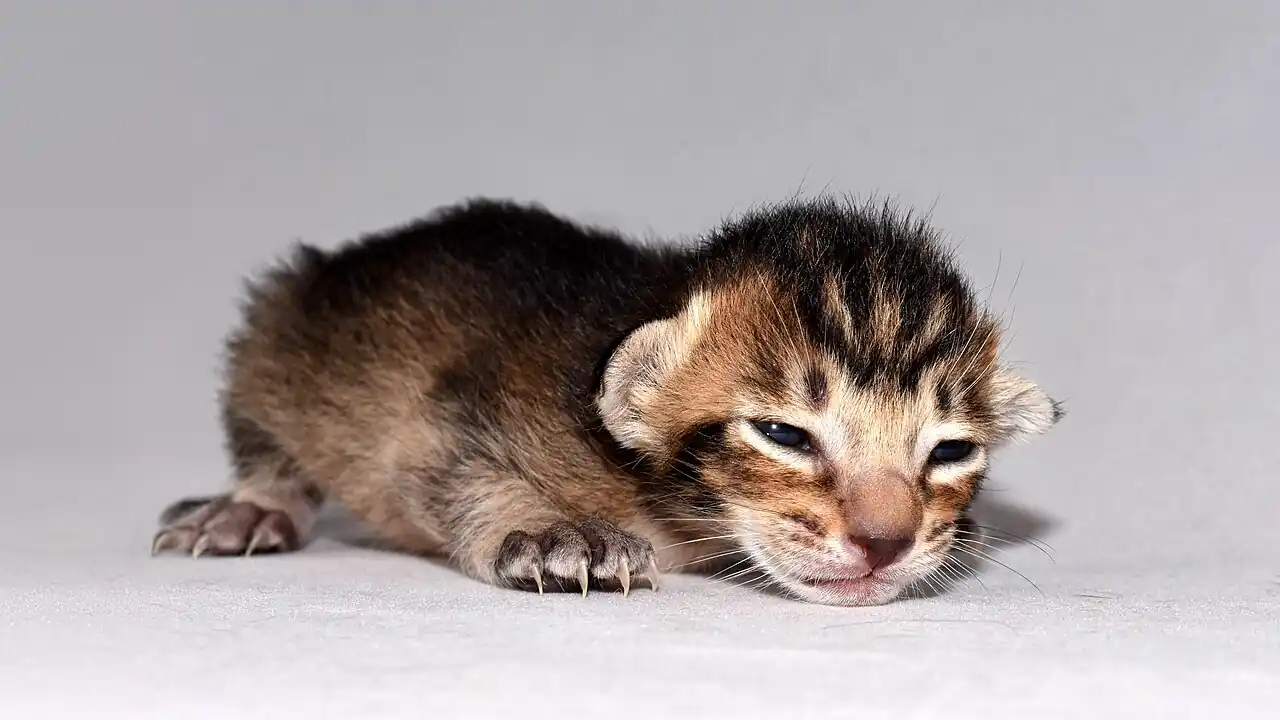
Tag: kitten insurance cost

  • Kitten Insurance: When to Enroll and What It Costs

    Kitten Insurance: When to Enroll and What It Costs

    Your kitten is eight weeks old, weighs less than a bag of sugar, and has already tried to eat three things she should not have. This is exactly the moment to think about pet insurance, not after the first emergency vet visit.

    Kittenhood is the cheapest and smartest window to buy coverage. Premiums are at their lifetime low, the medical record is a blank page, and every condition that appears after enrollment is covered instead of excluded. No other point in your cat’s life offers all three at once.

    This guide covers when to enroll, what kitten insurance typically costs, what it covers and excludes, and the enrollment mistakes that cost new owners the most. If you are still comparing providers, our best pet insurance for cats ranking pairs well with this guide.

    When to Enroll: As Soon as You Can

    Most insurers let you enroll kittens from 8 weeks old, and earlier is better in almost every case. The day your kitten comes home is a fine day to start a policy. There is no benefit to waiting and several costs.

    Waiting periods are the main reason to enroll early. Typical waits are a few days for accidents and around 14 days for illness, and anything that happens during the wait is not covered. Enroll at 8 weeks and the waits expire while your kitten is still tiny and low risk.

    The deeper reason is pre-existing conditions. Any health issue noted by a vet before coverage begins is generally excluded for life. A kitten enrolled at 8 weeks has almost no medical history, which means almost nothing can be excluded. Every month you wait is a month where a vet visit can create a permanent exclusion.

    What Kitten Insurance Costs

    Kitten insurance is the cheapest pet insurance you can buy. Typical ranges for standard accident and illness coverage run $12 to $22 a month, depending on breed, zip code, and your deductible choice.

    Here is how the settings move that number for a typical kitten:

    • $250 deductible, 80 percent reimbursement: often $16 to $24 a month
    • $500 deductible, 80 percent reimbursement: often $12 to $20 a month
    • $500 deductible, 90 percent reimbursement: often $18 to $26 a month
    • Accident only plan: often $8 to $15 a month

    These are illustrative ranges, not quotes. Purebred kittens quote higher, coastal zip codes quote higher, and prices vary between companies. Get three real quotes with identical settings rather than trusting any article’s numbers, including this one. Our cat insurance cost breakdown explains the age curve in more detail.

    One pricing quirk worth knowing: some insurers lock in your enrollment age for rating purposes, while others re-rate every year regardless. Ask how your premium will change as the kitten ages before you commit.

    What Kitten Insurance Covers

    A standard accident and illness plan covers the classic kitten catastrophes. Swallowed string and foreign objects, broken bones from fearless jumps, respiratory infections, and severe gastrointestinal trouble are all normally covered after waiting periods.

    It also covers the congenital and hereditary conditions that surface early, as long as symptoms appeared after enrollment. This matters for purebred kittens, where heart or kidney issues sometimes appear in the first year. Confirm hereditary coverage explicitly when you buy.

    Emergency care is the core value. Kittens are disproportionately accident prone: they fall, they chew, they explore with their mouths. One $3,000 foreign object surgery in the first year can exceed a decade of kitten-priced premiums.

    Waiting Periods: Coverage Does Not Start Day One

    Almost every policy has waiting periods between enrollment and when coverage begins. For kittens, the typical structure is a few days for accidents and about 14 days for illnesses. Some orthopedic conditions carry waits of six months or more.

    Anything diagnosed during the waiting period is not covered, and worse, it can become a pre-existing condition going forward. A respiratory infection on day ten of a 14 day illness wait is the classic painful example.

    A few companies shorten or waive waiting periods if a vet examines your kitten shortly after enrollment. Ask about it when you quote, and get the answer in writing. Our guide to waiting periods explained covers the variations in full.

    What Kitten Insurance Does Not Cover

    Standard plans do not cover routine kitten care. The first year vet visits, the vaccine series, the spay or neuter surgery, and flea prevention are all out of pocket unless you buy a wellness add-on. New owners are often surprised by this, so budget for it separately.

    Pre-existing conditions are excluded, which is precisely why early enrollment matters. Anything in the vet record before day one of coverage stays out forever under most policies. Curable conditions may be reconsidered after a long symptom-free period at some companies; chronic ones will not.

    Cosmetic procedures, breeding costs, and experimental treatments are excluded everywhere. Read the exclusions list before buying, not after your first denied claim. The pre-existing conditions guide explains exactly how insurers define the term.

    Wellness Add-ons: Worth It for Kittens?

    The first year of kitten ownership is the most routine-care heavy year of the cat’s life: multiple vaccine rounds, a spay or neuter, deworming, and several exams. Wellness add-ons exist for exactly this year, reimbursing routine care up to an annual allowance.

    Whether the add-on pays depends on the math. If the add-on costs $20 a month ($240 a year) and the allowance is $300, you come out slightly ahead if you use all of it. If the allowance is $200, you lose money with certainty. Run your actual expected vet spending against the allowance before adding it.

    Many owners find the add-on worthwhile in year one and drop it in year two, when routine care shrinks to one annual exam. That is a reasonable strategy, since wellness coverage is optional and removable at renewal.

    Your Enrollment Checklist

    Enrolling takes about 20 minutes online. Have these ready and the process is painless:

    • Your kitten’s birth date or approximate age, breed or mix, and your zip code
    • Your chosen deductible, reimbursement rate, and annual limit
    • Your vet’s contact details, since insurers request records at first claim
    • A calendar reminder for when waiting periods expire

    Get quotes from at least three companies with identical settings. A $17 quote and a $24 quote are not comparable if one has a $250 deductible and the other has $500. Identical settings, then compare.

    After enrolling, schedule a vet exam within the window your insurer specifies if a waiting period waiver is available. Keep copies of the policy’s exclusions page and every vet invoice from day one. Good records turn confusing denials into winnable appeals.

    Mistakes New Kitten Owners Make

    The most expensive mistake is waiting for the first scare. Owners enroll the week after the emergency visit, then learn the hard way that the emergency is now a pre-existing condition. Insurance cannot be bought retroactively.

    The second is buying on monthly price alone. A $12 plan with a $1,000 deductible and 70 percent reimbursement can pay out almost nothing on a typical $1,500 kitten bill. Compare the full payout structure, not the headline price.

    Enroll while the medical record is blank, because a blank record is the most valuable thing your kitten will ever own. Everything else, deductibles, reimbursement rates, add-ons, can be adjusted at renewal. The pre-existing clock cannot be rewound.

    The third mistake is assuming the breeder or shelter’s advice covers insurance. Breeders know cats; they do not read policy fine print. Use independent guides and the sample policy itself, and verify plan details with NAPHIA member companies listed at naphia.org.

    Frequently Asked Questions

    At what age can I insure my kitten?

    Most US insurers accept kittens from 8 weeks old. Enrolling as close to that minimum as possible gets you the lowest premiums, the cleanest medical record, and waiting periods that expire while risk is still low.

    How much does kitten insurance cost per month?

    Typically $12 to $22 a month for standard accident and illness coverage, with accident only plans around $8 to $15. Purebred kittens and expensive zip codes quote higher. Always get real quotes with identical settings instead of relying on averages.

    Does kitten insurance cover spaying and neutering?

    Not under standard accident and illness plans. Spay and neuter surgery is considered routine care. Some wellness add-ons include an allowance toward it, so check the add-on’s benefit schedule if that matters to you.

    Does kitten insurance cover vaccinations?

    Not by default. Vaccines are routine preventive care, excluded from accident and illness plans. Wellness add-ons typically cover the kitten vaccine series up to an annual allowance. Cornell’s kitten care guidance at vet.cornell.edu outlines which vaccines kittens need and when.

    What if my kitten gets sick during the waiting period?

    Treatment during the waiting period is not covered, and the condition may be classified as pre-existing going forward. This is the strongest argument for enrolling at 8 weeks, when the odds of anything happening during the wait are at their lowest.

    Can I change my plan as my kitten grows?

    Yes. At renewal you can usually adjust the deductible, reimbursement rate, and annual limit, and add or drop wellness coverage. What you cannot change retroactively is the pre-existing record, which is why the original enrollment timing matters more than the original settings.

  • How Much Does Cat Insurance Cost? Monthly Averages by Age

    How Much Does Cat Insurance Cost? Monthly Averages by Age

    Cat insurance is one of the cheapest kinds of pet insurance you can buy, which surprises a lot of new owners. Most cat owners pay somewhere between $15 and $35 a month for solid accident and illness coverage.

    Age is the single biggest driver of your premium. Insurers price from historical claims data, and older cats claim more often and for bigger amounts.

    This guide breaks down typical monthly averages by age, explains the four settings that move your price, and shows the vet bills behind the numbers. All figures are labeled ranges, not quotes. To see how prices stack up between companies, read our ranking of the best pet insurance for cats in 2026.

    The Short Answer by Age

    If you want the numbers fast, here is the shape of cat insurance pricing in 2026. These are typical ranges for standard accident and illness plans with middle of the road settings.

    • Kittens under 1 year: often $12 to $22 a month
    • Young adult cats ages 1 to 4: often $15 to $28 a month
    • Middle aged cats ages 5 to 9: often $22 to $40 a month
    • Senior cats ages 10 and up: often $35 to $70 a month, sometimes more

    Accident only plans run lower across every age band, often $8 to $18 a month. They cover injuries but not illness.

    Notice how narrow the early years are and how wide the senior band gets. That spread is the whole story of cat insurance pricing.

    Kitten Prices: The Cheapest Years

    Kittens under one year are the cheapest cats to insure, full stop. Most quotes land between $12 and $22 a month for comprehensive coverage.

    Insurers love kittens because they have short medical histories and low near term risk. Nothing is pre-existing yet, so a policy bought at 12 weeks covers the cat cleanly. Our guide to kitten insurance and when to enroll walks through the timing.

    Breed barely matters at this age for most domestic shorthairs. Purebred kittens like Persians or Maine Coons may quote a little higher, because their breed risk profiles are priced in from day one.

    Adult Cats: The Slow Climb

    Between ages 1 and 7, expect gentle annual increases, often 5 to 10 percent. A cat insured at $20 a month at age two might cost $26 by age six with the same settings.

    This climb is the age curve at work. Every year of medical history slightly raises expected claims cost, and premiums track that. Small annual increases are normal.

    This is also the age window where most owners actually use their policies. Dental extractions, urinary issues, and the occasional swallowed object are adult cat classics, and they are exactly the claims that make midlife coverage pay off.

    Senior Cats: Where Prices Jump

    Around age 8 to 10, pricing changes character. Monthly premiums of $35 to $70 become normal, and some high risk seniors quote above that. A few insurers also start trimming choices for older cats.

    The math gets tighter here, and honesty matters. You are paying more to insure a cat that is statistically likely to need expensive care. Still, one $5,000 hospitalization can dwarf several years of senior premiums.

    If your cat has been continuously insured since kittenhood, keep the policy. Switching insurers at this age resets the pre-existing clock, which can exclude what your old policy covered. Loyalty is genuinely valuable in senior pet insurance.

    Why Age Moves the Price So Much

    Veterinary claims data tells a simple story: older cats get sick more. Chronic kidney disease, hyperthyroidism, diabetes, dental disease, and cancer all concentrate in the senior years, and treatment is often ongoing, which is expensive to insure.

    Younger cats mostly generate cheap, one time claims: a swallowed string, a broken tooth. Insurers price kittens as the low risk bets they are.

    NAPHIA, the industry trade association at naphia.org, publishes annual data showing claims rising with pet age. The pattern holds for every species and nearly every insurer.

    The Four Settings Behind Every Quote

    Age sets the baseline, but four settings move your actual number. Two owners with identical cats can get quotes $25 apart because of these.

    • Deductible: what you pay each policy year before coverage starts, usually $100 to $1,000. A $1,000 deductible can cut the premium 20 to 30 percent versus $250.
    • Reimbursement rate: the share the insurer pays after the deductible, usually 70, 80, or 90 percent.
    • Annual limit: the maximum payout per year, commonly $5,000 to $15,000, with some plans offering unlimited.
    • Wellness add-on: optional routine care coverage adding roughly $10 to $25 a month. It is a budgeting tool, not true insurance.

    The cheapest possible combination, high deductible, low reimbursement, low limit, can halve your premium. It also halves your protection, so compare the payout structure, not just the monthly number. Our guide to comparing quotes line by line shows how.

    For cats, the deductible choice matters more than most owners expect. Cat vet bills skew smaller than dog bills, so a $1,000 deductible can swallow a typical $1,200 claim whole. Middle deductibles like $250 to $500 usually fit cat economics best.

    Breed and Zip Code: The Other Price Levers

    Purebred cats cost more to insure than domestic shorthairs, sometimes much more. Maine Coons, Persians, Sphynx, and Bengals carry known hereditary risks that insurers price in. A purebred quote can run 30 to 60 percent above a domestic shorthair of the same age.

    Zip code matters almost as much. Vet prices vary hugely by region, and premiums follow. The same cat can quote $20 a month in the Midwest and $35 on the coasts with identical coverage.

    Gender and spay or neuter status barely move the needle for cats. Age, breed, and location do nearly all the work, which is why our breakdown of quote factors starts with those three.

    What Vet Care Costs Without Insurance

    Premiums only make sense next to the bills they guard against. Here are typical US ranges for common cat treatments, illustrative rather than quotes.

    • Emergency exam after hours: $150 to $300 before treatment
    • Urinary blockage treatment: $1,500 to $3,000, and male cats are prone
    • Foreign object surgery: $2,000 to $5,000
    • Dental extraction with anesthesia: $800 to $2,500
    • Cancer treatment: $5,000 to $15,000 depending on type
    • Chronic kidney disease management: $100 to $300 a month, ongoing

    Urinary blockages deserve special attention in male cats. They are common emergencies, and they recur, generating several expensive episodes over a lifetime.

    Cornell University’s veterinary college publishes owner resources on common feline conditions at vet.cornell.edu. Knowing which conditions your cat is prone to makes the insurance decision much more concrete.

    Accident Only vs Full Coverage: The Price Gap

    The single biggest price decision is plan shape. Accident only coverage for a young cat often costs $8 to $18 a month, while full coverage for the same cat might be $20 to $30. That gap buys illness protection.

    Accident only is a legitimate budget choice, and our guide to the cheapest plans worth buying explains when it fits. But most catastrophic cat bills, urinary blockages, cancer, chronic kidney disease, are illness claims. Know what you are skipping.

    A middle path exists: a high deductible full plan. A $750 or $1,000 deductible with 80 percent reimbursement keeps the premium low while still covering the disasters. For healthy young cats, this is often the smartest value play.

    Budgeting for It Honestly

    Treat the premium like a utility bill and keep a buffer for the deductible. A $25 a month plan with a $500 deductible means planning for about $800 a year in a normal worst case.

    Ask your insurer about multi pet discounts if you have more than one cat. Many companies shave 5 to 10 percent off each additional pet.

    Cat insurance is cheap because cats are cheap to treat compared to dogs, but the bills that do happen are still big enough to hurt. A $25 monthly premium that covers a $3,000 urinary blockage is the entire value proposition in one sentence.

    And whatever range this guide suggests, get three real quotes for your zip code with identical settings before deciding. The cat insurance page at spotpet.com is one place to start. Averages inform; quotes decide.

    Frequently Asked Questions

    How much is cat insurance per month on average?

    For standard accident and illness coverage, most cat owners pay $15 to $35 a month. Kittens skew lower at $12 to $22, and seniors skew higher at $35 to $70. Zip code, breed, and deductible choice move the number within and beyond those bands.

    Why is cat insurance cheaper than dog insurance?

    Cats are smaller, live indoors more often, and generate fewer expensive claims on average. Insurers price from historical claims, and cats simply cost less to treat across a population.

    Does the price go up every year?

    Usually, yes, by roughly 5 to 10 percent as your cat ages. General veterinary inflation adds to the climb. A sudden jump much larger than that deserves a call to your insurer.

    Is accident only cat insurance worth it?

    It can be, as catastrophe protection on a tight budget. Just understand it skips illness entirely, and illness is where most expensive cat claims come from. Our look at whether indoor cats need insurance digs into that tradeoff.

    When is cat insurance cheapest to buy?

    When your cat is a kitten, ideally under one year old. Premiums are at their lifetime low, waiting periods pass uneventfully, and nothing is pre-existing yet. Every year you wait, the price rises and the risk of an exclusion grows.