
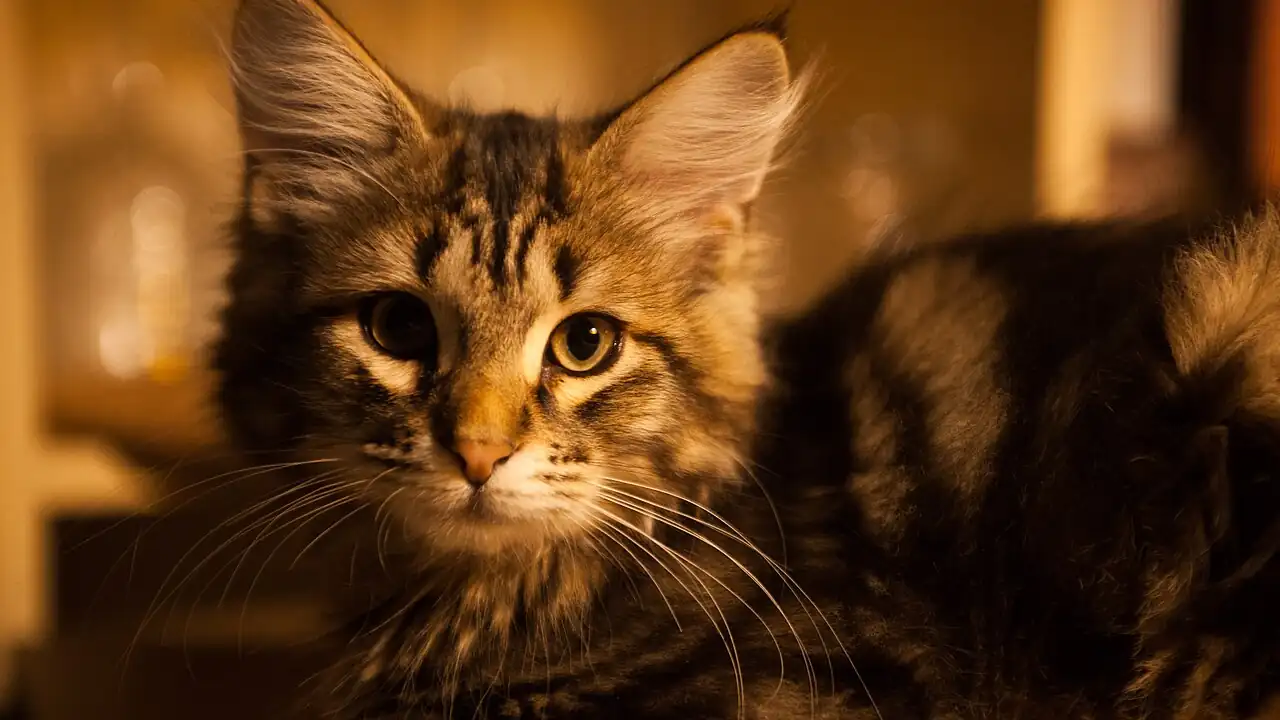
It is the most reasonable question in pet insurance. Your cat has never been outside, never met a car, never fought a raccoon. Why pay $20 a month to insure an animal whose biggest daily risk is falling off the couch?
The honest answer is that indoor cats trade one set of risks for another. They skip the trauma and infectious disease of outdoor life, but they keep nearly all the illness risk, and illness is where the expensive claims live. Urinary blockages, dental disease, kidney failure, hyperthyroidism, and cancer are all indoor cat problems.
This guide runs the cost benefit math without a sales agenda. You will see the case against insurance stated fairly, the conditions indoor cats actually claim for, and the monthly arithmetic that settles it for most owners. If you are still weighing costs generally, our worth it checklist covers the broader decision.
The Case Against, Stated Fairly
Start with steelmanning the skeptic. Indoor cats genuinely have fewer accidents than outdoor cats. No traffic, no predators, no fights, no parasites picked up hunting. If pet insurance were only about accidents, indoor cats would be a hard sell.
Second, many indoor cats live long, boring, healthy lives and never generate a claim above a few hundred dollars. If your cat is one of the lucky ones, 15 years of premiums, roughly $4,000 to $6,000, buys nothing but peace of mind. That is real money, and it is fair to weigh it.
Third, you can self-insure. Putting $25 a month into a savings account builds a $3,600 vet fund over 12 years, and you keep it if the cat stays healthy. For disciplined savers with a cushion already in place, this is a legitimate alternative, not a cope.
What Indoor Cats Actually Get Sick From
Now the other side. The most common expensive claims for indoor cats have nothing to do with the outdoors. Here are the usual suspects, with typical US cost ranges.
- Urinary blockage: $1,500 to $3,000 per episode, common in male cats, and it recurs
- Dental disease and extractions: $800 to $2,500 under anesthesia
- Chronic kidney disease: $100 to $300 a month in ongoing management
- Hyperthyroidism: $500 to $2,000 for medication or radioiodine treatment
- Cancer: $5,000 to $15,000 depending on type and treatment
- Diabetes: $50 to $200 a month for insulin and monitoring, for life
Notice the pattern: these are chronic or emergency medical conditions, not lifestyle injuries. Keeping a cat indoors does not protect its kidneys, its thyroid, or its bladder. Cornell’s feline health resources at vet.cornell.edu describe how common these conditions are in indoor cats specifically.
The UC Davis veterinary school similarly notes that indoor cats still require complete preventive and medical care at vetmed.ucdavis.edu. The indoor lifestyle reduces some risks and concentrates others, like obesity-related diabetes from a sedentary life.
The Math at $20 a Month
Run the numbers on a typical policy: $20 a month, $250 annual deductible, 80 percent reimbursement. That is $240 a year in premiums, $3,600 over 15 years if the price never rose, which it will, so call it $4,500 lifetime.
One urinary blockage at $2,500 in year four changes everything. After the $250 deductible, insurance pays 80 percent of $2,250, which is $1,800. You paid roughly $960 in premiums by then plus $700 out of pocket, versus $2,500 uninsured. The policy is already ahead, and the cat still has a decade of coverage left.
The break-even logic is simple: a single $2,000 plus illness in the first half of the cat’s life usually pays for years of premiums. Indoor cats are not exempt from $2,000 illnesses. They are, if anything, overrepresented in the urinary and kidney categories.
When Insurance Is a Clear Yes
Male cats are the clearest yes. Urinary blockages strike males far more than females, they are emergencies, and they recur. A male indoor cat is arguably the single best insurance value in the cat world.
Purebreds are the second clear yes. Persians, Maine Coons, Siamese, and several other breeds carry hereditary risks that indoor life does nothing to prevent. If your breed is prone to kidney, heart, or respiratory issues, the math strongly favors coverage.
The third yes is any owner without a deep emergency fund. If a $3,000 vet bill would go on a credit card and linger, insurance is doing exactly what insurance is for. Our cat insurance cost guide shows how cheap the monthly buy-in is for young cats.
When You Can Reasonably Skip It
Skipping is defensible in narrow cases. If you have $10,000 you could spend on a vet bill tomorrow without changing your life, insurance becomes optional. You are wealthy enough to be your own insurer.
A young, healthy, female domestic shorthair in a calm household is the lowest risk profile in cat insurance. If you are also a disciplined saver who will actually fund a dedicated vet account monthly, self-insuring is mathematically reasonable.
Senior cats with extensive pre-existing conditions are the third case. If everything expensive is already excluded, you are paying premiums to insure only the remaining unknowns. Get quotes, but read the exclusions with your cat’s actual history in mind before deciding.
Accident Only: The Middle Ground
There is a compromise between full coverage and nothing. Accident only plans for indoor cats often cost $8 to $15 a month and cover the 2 a.m. emergencies: falls, swallowed objects, poisoning from houseplants, broken teeth from bad landings.
Indoor cats do have accidents. They eat string, knock over heavy objects onto themselves, and chew electrical cords. Accident only will not help with the urinary blockage or the kidney disease, but it covers the true surprises cheaply, and the premium barely registers.
Think of it as a ladder: nothing, accident only, then full accident and illness. Each rung costs more and covers more. For tight budgets, the middle rung beats the bottom one, and our cheapest plans guide explains how to shop it.
The Verdict for Most Owners
For most indoor cat owners, yes, insurance is worth it, because cat policies are cheap and indoor cats still get expensive illnesses. At $15 to $25 a month for a young cat, the bar for “worth it” is one moderate illness per decade.
The strongest version of the argument is not about averages but about decisions. Insurance lets you say yes to the $3,000 treatment without doing financial triage at the emergency vet’s front desk. That is worth $20 a month to most people who love their cat.
Indoor life protects your cat from the street, not from its own body, and bodies are what generate the bills. If you take one idea from this guide, take that one, then compare providers in our best pet insurance for cats ranking.
Frequently Asked Questions
Do indoor cats really need pet insurance?
Most do, because the expensive feline conditions are illnesses, not outdoor accidents. Urinary blockages, dental disease, kidney failure, and cancer all strike indoor cats. At $15 to $30 a month for a young cat, one moderate illness per decade usually justifies the cost.
Is it cheaper to insure an indoor cat?
Not directly. Insurers price on species, breed, age, and location, not lifestyle. Indoor cats are cheaper to insure than dogs because cats generate smaller claims overall, but there is no specific indoor discount at most companies.
What is the most common claim for indoor cats?
Urinary tract issues, especially blockages in male cats, are among the most common and expensive indoor cat claims. Dental disease, chronic kidney disease, and digestive issues round out the list. NAPHIA industry data at naphia.org tracks claim patterns across species.
Should I get accident only for my indoor cat?
It is a reasonable budget compromise at $8 to $15 a month, covering falls, swallowed objects, and other true accidents. But it skips illness entirely, which is where most indoor cat money goes. If you can stretch to full coverage, the value is usually better.
At what age should I insure my indoor cat?
As early as possible, ideally as a kitten. Premiums are lowest, nothing is pre-existing, and waiting periods pass before any trouble starts. Our kitten insurance guide covers enrollment timing in detail.
Does pet insurance cover indoor cat wellness visits?
Not by default. Standard accident and illness plans cover unexpected medical problems, not routine exams and vaccines. Wellness add-ons cover routine care up to an allowance, but check whether the allowance exceeds the extra premium before adding one.